In today’s super hectic world, catching quality sleep can sometimes feel like chasing a unicorn. I mean, after a long, exhausting day, winding down and actually relaxing isn’t always easy. That’s where Magnesium Glycinatehas been coming up as a pretty popular fix for better sleep. Dr. Evan Antin, a well-known expert in nutrition and wellness, even mentioned, “Magnesium Glycinate is super important for calming your nervous system.” It’s like giving your body a gentle nudge to relax.
This natural supplement has helped a lot of people cut down on anxiety and sleep more soundly. It works by balancing out neurotransmitters—those tiny messengers in your brain that influence how well you rest. Lots of folks swear they wake up feeling more refreshed after adding Magnesium Glycinate to their nightly routine. But, honestly, it’s not a one-size-fits-all deal. Everyone’s body is a little different, so reactions can vary. It’s kind of a trial-and-error thing to see what works for you.
Figuring out the right dose can take a bit of experimenting—some might need a bit more, some less. Also, the quality and where you get your supplement from really matter. It’s worth asking yourself: are you doing what’s best for your sleep? Magnesium Glycinate could very well be the game changer, but understanding how it works is key to truly enjoying the benefits. So, maybe give it a shot—and don’t forget to listen to your body along the way.

Magnesium glycinate is gaining attention for its potential to improve sleep quality. This compound combines magnesium with Glycine, an amino acid known for its calming effects. Research shows that magnesium can help regulate neurotransmitters, which are crucial for sleep. A study from theNational Institutes of Health found that adequate magnesium levels are associated with better sleep quality.
Several reports indicate that a significant number of adults face sleep issues. The American Sleep Association states that over 50 million Americans suffer from some form of sleep disorder. Low magnesium levels are frequently observed in individuals with insomnia. Magnesium glycinate may aid in relaxing muscles and reducing anxiety, two key factors affecting sleep. Many users report feeling more rested after integrating magnesium glycinate into their routine.
Even so, not everyone experiences the same benefits. Some may feel minimal effects or experience gastrointestinal discomfort. It’s important to listen to your body and adjust dosage gradually. Finding the right balance can make a significant difference in sleep quality. An individualized approach to supplementation is often necessary for optimal results.
Magnesium plays a vital role in sleep regulation. Studies show that about 70% of Americans do not get enough magnesium. This deficiency can impact sleep quality. Magnesium Glycinate Powder is a popular option for improving sleep. It is well absorbed and less likely to cause digestive upset.
Research indicates that magnesium helps regulate melatonin, the hormone responsible for sleep. It also affects GABA receptors in the brain, which relax the nervous system. A study published in the Journal of Research in Medical Sciences found improvements in sleep quality for those supplementing with magnesium. Participants reported fewer instances of insomnia.
Not everyone responds to magnesium the same way. Individual needs vary widely. Some may need higher doses to see effects, while others may find that even small amounts are enough. Experimentation is key. Understanding your body’s response to Magnesium Glycinate Powder can lead to better sleep and relaxation. Collect data on your own sleep patterns after starting the supplement. Small adjustments may yield significant results.
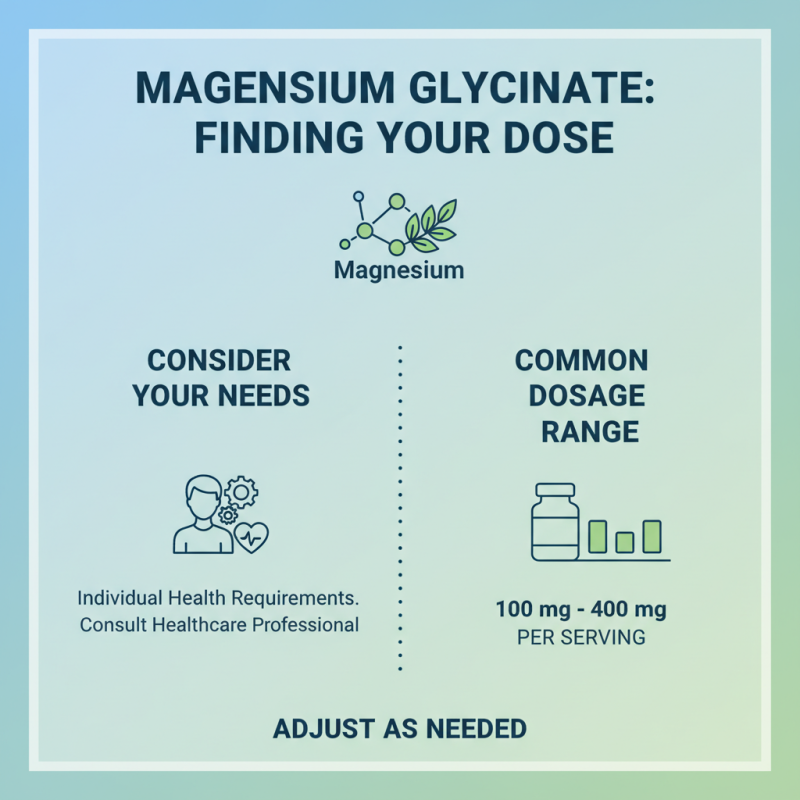
When choosing a magnesium glycinate supplement, consider your individual needs. Look for a product that contains a good dose of magnesium. A common range is between 100 mg to 400 mg per serving. You may need to adjust based on your specific health requirements.
Check the ingredient list carefully. The best supplements have few additives. Avoid those with excessive fillers or artificial colors. You want a clean product that delivers benefits without unnecessary extras. Look for third-party testing as well; this ensures quality and effectiveness.
Remember, everyone's body reacts differently. You may experience calmness or improved sleep, or you might not. It's important to start with a lower dosage and observe your body’s response. Keep a note of any changes you feel. This trial-and-error process can guide you to the right option. Be patient; finding the best fit can take time and adjustments.
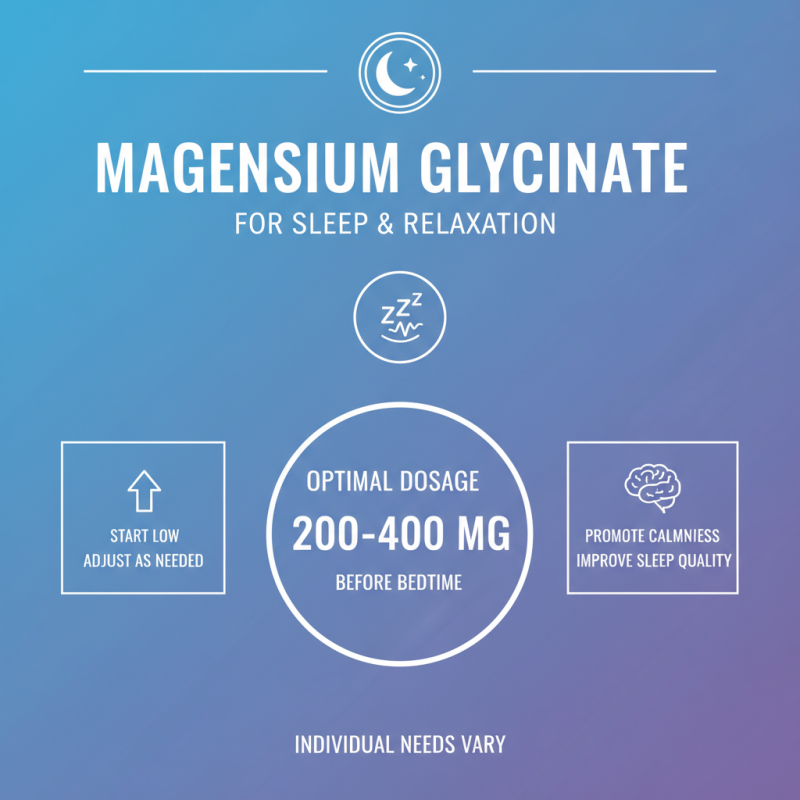
Magnesium glycinate is gaining attention for its potential to enhance sleep and relaxation. The right dosage is crucial for effectiveness. Studies suggest that 200-400 mg before bedtime can promote calmness and improve sleep quality. However, individual needs vary. It’s important to start low and adjust as necessary. Some users may respond better to higher or lower amounts.
Tips: Monitor how you feel. Adjust the dosage based on sleep quality. Common side effects include digestive discomfort. Begin with 200 mg and assess your response.
Many factors influence the effectiveness of magnesium glycinate. Lifestyle, diet, and stress levels can impact its efficacy. A report from the Journal of Clinical Sleep Medicine highlighted that magnesium can also help regulate the sleep-wake cycle. If you find yourself feeling restless, consider exploring options like Wholesale Magnesium Glycinate for bulk purchasing. Understanding your own body’s needs is key.
When considering magnesium glycinate for sleep, timing matters. Taking magnesium about 30 to 60 minutes before bedtime can enhance relaxation. This approach allows your body to digest the supplement and start feeling its calming effects. Your evening routine may benefit from this small change.
Creating a consistent schedule is key. If you take it every night, your body will adapt. You may find that falling asleep becomes easier. However, pay attention to how it impacts you personally. Some people may feel drowsy too early or not at all. Keeping a journal can help track your experiences.
Be mindful of your dinner time as well. Consuming magnesium close to a big meal might reduce its effectiveness. Aim for a light snack instead if you’re feeling hungry. The right timing of magnesium intake can lead to improvements in sleep quality. Experiment and find out what best suits your body’s rhythm.
| Timing | Dosage (mg) | Effects | Recommendation |
|---|---|---|---|
| 30-60 minutes before bedtime | 200-400 mg | Promotes relaxation, improves sleep quality | Ideal for those with sleep difficulties |
| After dinner | 150-300 mg | Helps calm the mind and body | Useful for general relaxation |
| Throughout the day | 100-200 mg | Supports overall anxiety and stress reduction | Good for those in high-stress environments |
Magnesium glycinate is often praised for its calming effects. However, like any supplement, it comes with potential side effects. Some people may experience digestive issues, such as diarrhea or stomach cramps. Overloading on magnesium glycinate could lead to these unwanted symptoms. It’s important to listen to your body.
While many find relief from anxiety and improved sleep, not everyone reacts the same way. If you have kidney issues, please proceed with caution. An excess of magnesium can burden the kidneys, making it critical to consult a healthcare professional. It's easy to overlook these risks while seeking relaxation.
Always start with a low dose to gauge your body’s reaction. Adjusting the intake gradually may help avoid discomfort. Think about how you feel each day and consider keeping a journal. Reflecting on your experiences can provide valuable insights into how magnesium glycinate affects your well-being.
To improve sleep quality, consider complementary practices alongside magnesium glycinate. Creating a sleep-friendly environment is crucial. Ensure your bedroom is dark, quiet, and cool. Studies indicate that a drop in temperature can enhance sleep quality significantly. A cool room, ideally around 60-67°F, can help your body to relax more efficiently.
Incorporating relaxation techniques into your nightly routine can also be beneficial. Practices such as mindfulness meditation or gentle yoga can reduce anxiety. According to the National Sleep Foundation, regular yoga can improve sleep by up to 36%. Techniques like deep breathing, even for a few minutes, can signal your body to unwind.
Another key aspect is the timing of magnesium glycinate intake. Taking it about 30 minutes before bed may help maximize its benefits. Combine this with a reduction in screen time at least an hour before sleep. Exposure to blue light can disrupt melatonin production. It’s worth noting that around 70% of adults report at least one sleep issue. Addressing these concerns holistically, including the use of Calcium Glycinate Powder for individuals who need calcium supplementation, may lead to better overall rest.
: A common dosage range is 100 mg to 400 mg per serving, depending on your needs.
Yes, avoid products with excessive fillers and artificial colors. Look for clean ingredients.
Finding the right fit can take time. Start low and adjust based on your body’s response.
It may promote calmness and improve sleep quality, although individual reactions can vary.
Take it 30 to 60 minutes before bedtime for best effects on relaxation.
Observe your sleep quality and any digestive discomfort you might experience.
Lifestyle, diet, and stress levels play a role in how magnesium glycinate affects you.
Avoid taking it close to large meals, as this may reduce its effectiveness.
Yes, tracking your experiences can help identify what works best for you.
Yes, some individuals may feel sleepy earlier than expected. Adjust timing as needed.
Magnesium Glycinate is a highly absorbable form of magnesium known for its potential benefits in promoting better sleep and relaxation. Understanding its role in sleep regulation is essential, as magnesium is a key mineral that influences neurotransmitter function and melatonin production. To choose the right magnesium glycinate supplement, one should consider factors such as purity, dosage, and individual health needs.
Recommended dosages typically range based on personal requirements, while timing the intake—ideally in the evening—can enhance sleep quality. Although Magnesium Glycinate is generally safe, it is important to be aware of potential side effects and consult with a healthcare professional if needed. Incorporating complementary practices such as a calming bedtime routine can further optimize sleep quality, making Magnesium Glycinate a valuable ally for those seeking better rest.