Have you heard about [Phytic Acid](https://www.ytbio-healthy.com/phytic-acid)? It’s been getting a lot of buzz lately because of its pretty complex role in our health. This natural compound is found in loads of foods like seeds, grains, and legumes. Interestingly, a report from the American Journal of Clinical Nutrition mentioned that almost 60% of the world's population eats diets that are pretty high in Phytic Acid. That naturally makes you wonder—what are the real benefits, and could there be some downsides too?
Dr. Emily R. Jones, a well-known nutrition scientist over at the Health Insights Research Institute, points out something important: "Phytic Acid can bind to essential minerals, which might interfere with how well our bodies absorb them." Basically, it’s a bit of a double-edged sword. On one hand, it might lower mineral absorption, but on the other, it acts as an antioxidant—a good thing for fighting off free radicals. So, for folks who mainly follow plant-based diets, this becomes something to think about.
Honestly, the whole deal with Phytic Acid isn’t something we can say is all good or all bad—it’s complicated. It’s in a lot of healthy-looking foods, but that can pose challenges for people with certain nutritional needs. We definitely need more research to clear up all these questions. Learning more about Phytic Acid helps us make smarter choices when it comes to what we put on our plates.
What is Phytic Acid?
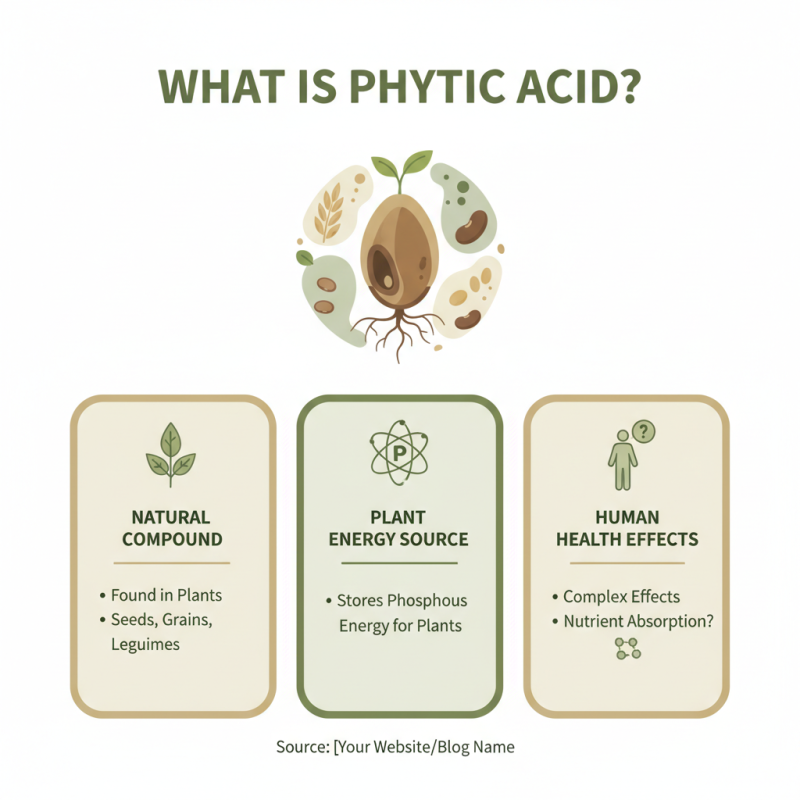
Phytic acid is a natural compound found in many plant-based foods. It is primarily stored in seeds, grains, and legumes. As a form of phosphorus, phytic acid serves as an energy source for plants. However, its effects on human health can be quite complex.
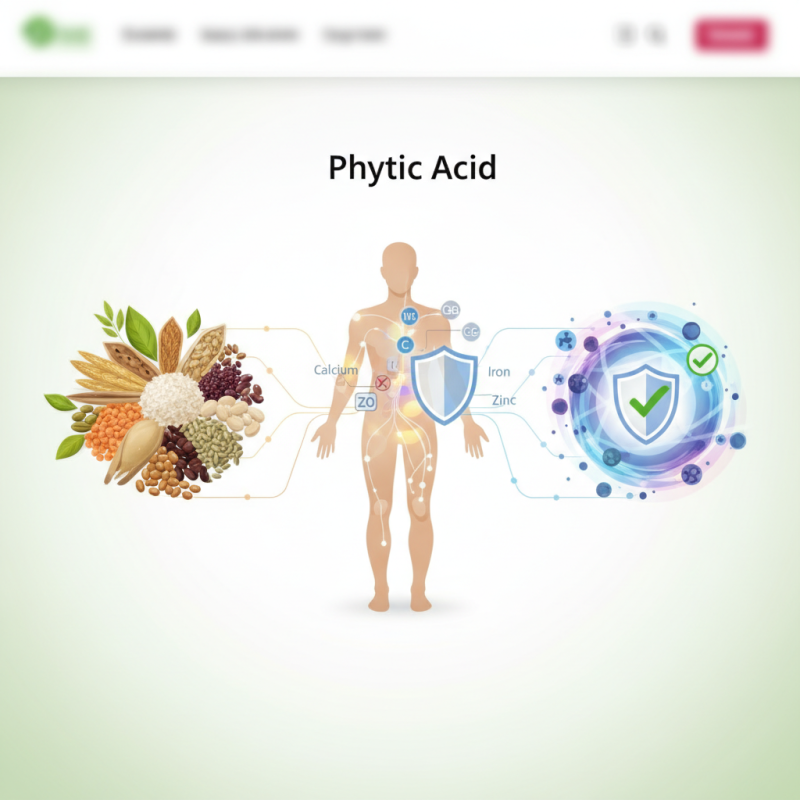
Many consider phytic acid an "anti-nutrient." This means it can bind minerals like calcium, iron, and zinc. This binding reduces the absorption of these nutrients in the body. For individuals relying heavily on grains, this might pose a concern. While it has potential downsides, phytic acid also shows some health benefits. Research suggests it may possess antioxidant properties. This could help in fighting inflammation and reducing the risk of certain diseases.
Incorporating food sources rich in phytic acid may require balance and mindfulness. People need to be aware that overconsumption of these foods can lead to deficiencies. Working with a Phytic Acid Supplier can help individuals make informed dietary choices. Being educated about this compound is crucial, as it influences nutrition and health in various ways.
The Chemical Structure and Properties of Phytic Acid
Phytic acid is a naturally occurring compound found in seeds, nuts, and grains. Its chemical structure features a phosphorus atom bound to multiple hydroxyl groups. This unique arrangement impacts its functionality in various foods. Phytic acid acts as an antioxidant, potentially offering health benefits. However, it also binds minerals like iron and zinc, making them less bioavailable.
Tips: Soaking grains or nuts can reduce phytic acid levels. This method can enhance nutrient absorption. Try this simple technique with oats or almonds before consumption to unlock their full potential.
Research indicates that while phytic acid competes with essential minerals, it may also protect against certain diseases. Some studies suggest a link between phytic acid intake and reduced cancer risks. Thus, Phytic Acid Powder can be a double-edged sword. Moderation is key. The effects vary based on individual diets and overall nutrition.
Consider different ways to incorporate phytic acid in your diet. Balance is crucial when consuming high-phytic acid foods. A well-rounded diet can help mitigate potential downsides while retaining benefits.
Phytic Acid Content in Different Foods
Sources of Phytic Acid in the Diet
Phytic acid is a naturally occurring antioxidant found in various plant foods. It primarily serves as the storage form of phosphorus in seeds. Many people consume phytic acid unwittingly through their diet. Common sources include whole grains, legumes, nuts, and seeds. For instance, research indicates that whole grain bread can contain between 0.4 to 1.5 grams of phytic acid per 100 grams. This significant quantity can add up quickly in a balanced diet.
Legumes like lentils and chickpeas are also rich in phytic acid. They can contribute around 0.7 to 1.6 grams per 100 grams. Nuts are another key source; for example, almonds provide about 0.3 to 1.0 grams per 100 grams. While phytic acid has benefits, such as reducing the risk of certain diseases, it poses challenges for nutrient absorption. Some studies suggest that it can bind minerals like iron and zinc, potentially leading to deficiencies if consumed in excess. This balancing act is crucial for overall health.
Dietary habits surrounding phytic acid warrant reflection, especially in plant-based diets. Many individuals focus solely on food choices without considering nutrient interactions. For example, a heavy reliance on whole grains might lead to insufficient iron intake. Adjusting cooking methods, like soaking or sprouting grains and legumes, can help mitigate these effects. Such practices can enhance nutrient availability while still supporting a phytic acid-rich diet.
Health Benefits of Phytic Acid
Phytic acid is often called an antinutrient. It can bind minerals like iron and zinc. However, it also offers health benefits that are worth noting. Found in seeds, nuts, and grains, it plays a role in plant growth. For humans, it can be a double-edged sword.
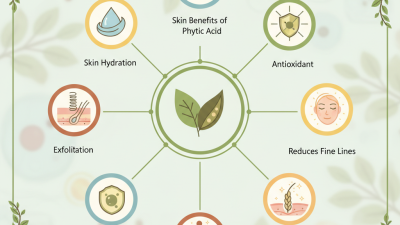
One key benefit is its antioxidant properties. Phytic acid helps reduce oxidative stress in the body. This can lead to a lower risk of chronic diseases. Incorporating phytic acid into your diet might support your overall health. Foods like whole grains and legumes are good sources.
Tips: Soaking grains reduces phytic acid levels. Cooking also helps enhance nutrient absorption. Listen to your body and monitor how these foods affect you. Balance is essential. Not everyone reacts the same way to phytic acid. Pay attention to how your health changes when consuming these foods regularly.
Potential Risks and Drawbacks of Phytic Acid
Phytic acid, found in seeds and grains, poses potential risks. While it may have some health benefits, its drawbacks should not be ignored. Phytic acid can hinder mineral absorption. This is particularly concerning for those with diets low in diversity. A study published in Nutrients revealed that phytic acid significantly reduces iron and zinc absorption. Deficiencies in these minerals can lead to health problems.
Another risk involves its impact on digestive health. For individuals with existing gastrointestinal issues, phytic acid may exacerbate symptoms. Some people may experience discomfort after consuming foods high in phytic acid. This can lead to a cycle of avoiding nutritious foods. While phytic acid has been shown to provide antioxidant properties, excessive amounts could outweigh its benefits.
Tips: Soaking and sprouting grains can help reduce phytic acid levels. This method enhances digestibility and nutrient availability. Additionally, combining foods rich in vitamin C with iron sources can improve absorption. A balanced diet with varied nutrient sources is essential for optimal health. Moderation is key, as with many dietary components. Consider your food choices carefully and listen to your body's signals.
Phytic Acid and Mineral Absorption
Phytic acid is known as nature's anti-nutrient. It binds minerals and reduces their absorption in the body. This is particularly relevant for key minerals like iron, calcium, and zinc. A study published in the "Journal of Nutrition" indicates that phytic acid may decrease mineral absorption by up to 50%. Such effects can be crucial for populations with limited dietary variety.
Many grains, nuts, and seeds contain phytic acid. This often leads to a dilemma for those relying heavily on plant-based foods. For example, vegetarians and vegans may find it challenging to get enough iron and zinc. Cooking methods can help. Soaking, sprouting, or fermenting grains can reduce phytic acid levels significantly.
Tip: Consuming vitamin C-rich foods alongside meals can enhance the absorption of these minerals. Consider eating citrus fruits or bell peppers with your meals.
Phytic Acid Sodium Salt can also be found in some processed foods. While it acts as a preservative, its impact on mineral absorption bears consideration. Some individuals may need to monitor their intake if they have deficiencies. Always strive for a well-balanced diet to minimize these effects.
What is Phytic Acid and How Does It Affect Your Health?
| Nutrient | Influence of Phytic Acid | Sources of Phytic Acid | Health Considerations |
| Iron | May reduce absorption | Legumes, nuts, seeds | Risk of anemia |
| Zinc | Decreases bioavailability | Whole grains, nuts | May impair immune function |
| Calcium | Less absorbed | Seeds, beans | Bone health concerns |
| Magnesium | Potential reduction | Whole grains, nuts | Muscle and nerve function issues |
| Phosphorus | May be affected | Seeds, grains | Bone health implications |
How to Reduce Phytic Acid in Foods for Better Nutrition
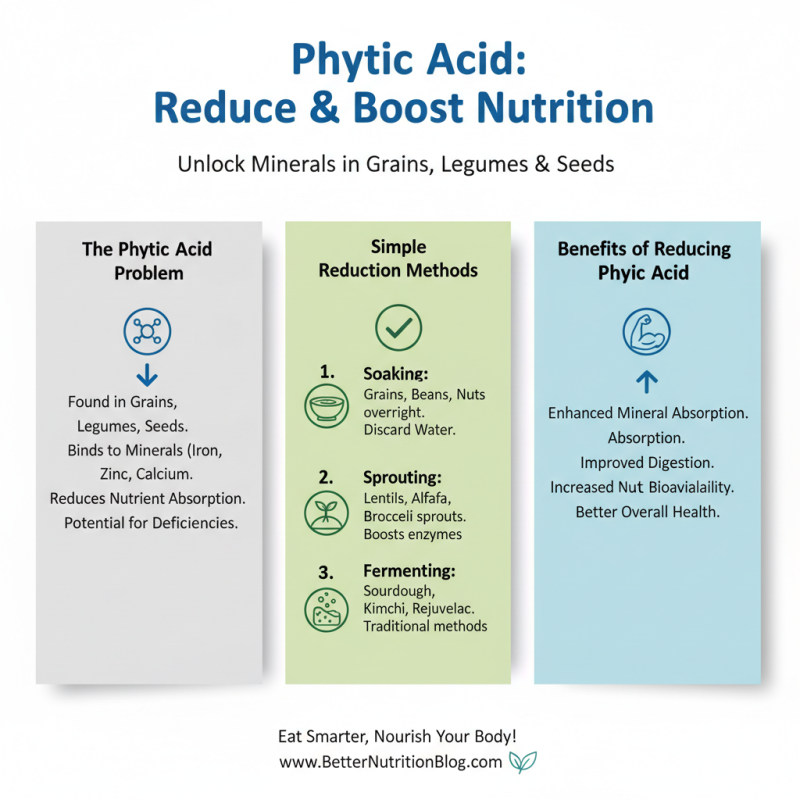
Phytic acid is often found in grains, legumes, and seeds. It can bind to minerals and reduce their absorption. This might lead to deficiencies over time. While phytic acid has some health benefits, excessive amounts can be troublesome.
To lower phytic acid in food, start with soaking grains and legumes before cooking. This process activates enzymes that break down phytic acid. Rinsing them thoroughly is also helpful. Fermentation is another effective method. It can enhance nutrient availability in foods.
Consider sprouting grains and seeds. This not only reduces phytic acid but also increases vitamins. Sometimes, we overlook how cooking methods impact nutrition. Roasting or boiling can also help break down phytic acid. Integrating foods rich in Docosahexaenoic Acid, like fish, is important for balanced nutrition. Finding a balance between phytic acid and nutrient absorption is vital for overall health.
FAQS
: Phytic acid is a natural compound that can bind minerals in the body.
It can reduce the absorption of minerals like iron, zinc, and calcium.
Those with limited dietary variety, especially vegetarians and vegans, may face challenges.
Soaking, sprouting, or fermenting grains and legumes can lower phytic acid levels.
Yes, methods like rinsing, boiling, or roasting can help break down phytic acid.
Yes, vitamin C can enhance the absorption of minerals when consumed together.
Some processed foods contain phytic acid sodium salt, which can impact mineral absorption.
Yes, while excessive amounts can be problematic, phytic acid does have some health benefits.
No, legumes and seeds also contain phytic acid and can affect nutrient absorption.
A well-balanced diet minimizes the negative effects of phytic acid on nutrition.
Conclusion
Phytic acid is a natural compound found in various plant foods, particularly seeds, grains, and legumes. It plays a crucial role in the storage of phosphorus and is often referred to as an "anti-nutrient" due to its ability to bind minerals, potentially reducing their absorption in the body. While phytic acid has been linked to several health benefits, such as antioxidant properties and potential anti-cancer effects, it can also pose risks by inhibiting the absorption of essential minerals like iron and zinc.
To balance the benefits and drawbacks of phytic acid, various dietary strategies can be employed. These may include soaking, sprouting, or fermenting foods to reduce phytic acid levels and enhance mineral bioavailability. Understanding the role of phytic acid in our diet can help individuals make informed choices to optimize their nutrition while reaping its health benefits.