Picking the right Creatine Powdercan really make a difference when it comes to your athletic performance and building muscle. Did you know that by 2027, the global creatine market is expected to hit around $1.5 billion? Yeah, the demand for effective supplements is pretty high these days. According to some reports from MarketsandMarkets, creatine is actually one of the most researched and recommended supplements out there in sports nutrition.
I’ve also come across what Dr. John Johnson, a sports nutrition expert at NutraTech, says — he points out that not all creatine powders are the same. “Quality and dosage matter a lot,” he emphasizes. That’s such an important thing to keep in mind because, honestly, a lot of products claim to be the best, but not all of them really live up to it. Consumers need to be a bit savvy here.
When you’re digging into the industry, transparency is key — you wanna know what’s actually in your supplement and where it’s coming from. Be cautious of products that don’t list their ingredients or have pretty vague claims. Also, the different forms of creatine — like monohydrate or ethyl ester — can make things a bit confusing. The best approach? Read customer reviews, check out scientific studies, and really think about what your personal goals are. At the end of the day, not every product will be perfect for everyone, so taking the time to reflect on what you want will help you make better choices down the line.

Understanding Creatine: What It Is and How It Works
Creatine is a compound found in muscles. It plays a crucial role in energy production during high-intensity exercise. Understanding creatine can help you harness its benefits effectively. When muscles need quick energy, creatine converts into ATP, fueling your performance.
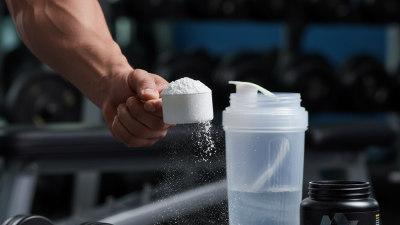
Many people consider Bulk Creatine Powder for improved strength and endurance. This form allows for easy mixing into drinks or shakes. It can help increase muscle mass over time. However, not all creatine powders are created equal. It's essential to check the purity and formulation. Some products may contain fillers or additives that dilute the effectiveness.
Effects can vary among individuals. While many see noticeable gains, some may experience minimal changes. It’s essential to listen to your body. Monitoring your response to creatine can guide your usage. Experimenting with different dosages may be necessary. Personalized adjustments ultimately lead to better results.
Comparison of Popular Creatine Types
Different Types of Creatine: Which One Suits Your Needs?
When choosing the right creatine, it's crucial to understand the various types available. Creatine Monohydrate Powder is the most studied and common form. Research shows it effectively enhances strength and muscle mass. A 2019 meta-analysis in the Journal of Sports Nutrition found that monohydrate improved performance in high-intensity training by nearly 15%.
Another option is Creatine HCL, known for its higher solubility. Some athletes prefer it, believing it reduces bloating. However, there's less research on its long-term effects compared to monohydrate. The lack of comprehensive studies raises questions about its reliability. Users should consider their own bodies’ responses before making a switch.
Buffered creatine forms, like Kre-Alkalyn, claim to provide additional benefits with potentially less degradation in the stomach. But while some users report improvements, others notice no differences at all. Thus, results can vary across different individuals. It highlights the need for personal experimentation. Always consider factors such as your workout intensity and dietary habits when selecting a form of creatine.
Evaluating Creatine Purity and Quality: What to Look For
When selecting a creatine powder, purity and quality are crucial factors. To assess these aspects, look for products that provide a certificate of analysis. This document confirms the absence of contaminants. It assures you that what you consume is genuine and safe. Pay attention to the sourcing of the creatine. High-quality creatine should be manufactured under strict quality standards.
Microbial contamination can affect purity. Choose formulations that guarantee no harmful bacteria. Check for any additives or fillers as well. A clean ingredient list is a good sign of quality. Ideally, opt for creatine monohydrate. This is the most studied and effective form available.
Brand reputation plays a role too. Research customer reviews and expert opinions. An effective product will have positive feedback on its performance and quality. Be cautious of overly hyped claims. Sometimes, high prices don't equate to better results. Reflect on your personal needs before making a choice. Test different options to discover what works best for you.
How to Choose the Best Creatine Powder for Your Needs?
| Criteria | Considerations | Quality Indicators | Notes |
| Purity | Look for options with minimal additives | ≥ 99% pure | Check for impurities in lab tests |
| Source | Sourced from reputable manufacturers | Third-party testing | Look for certifications |
| Forms | Powder, capsule, or liquid | Ease of use | Personal preference matters |
| Flavors | Natural vs artificial flavors | Taste preference | Can impact consistency in use |
| Price | Cost per serving | Value for money | Cheaper isn’t always better |
| Additional Ingredients | Other nutrients added? | Synergistic compounds | Assess personal health goals |
Dosage and Timing: How Much Creatine and When to Take It
When considering creatine supplementation, understanding dosage and timing is essential. Research from the International Society of Sports Nutrition recommends an initial loading phase of 20 grams per day for 5-7 days. This is typically divided into four small doses throughout the day. After this phase, a maintenance dose of 3-5 grams daily is sufficient to support muscle performance and recovery.
Timing can also significantly impact effectiveness. Studies indicate that taking creatine post-workout may yield better results in muscle gains than pre-workout consumption. The post-exercise window is when muscles are most receptive to nutrients, creating a perfect opportunity for creatine absorption. Additionally, pairing creatine with carbohydrates may enhance uptake, as insulin secretion increases, leading to improved glycogen storage and muscle recovery.
However, individual responses can vary. Some may experience gastrointestinal discomfort, necessitating adjustments to the dosage. It's crucial to listen to your body and consult a healthcare professional for tailored advice. Tracking your progress can help determine the most effective approach for your needs.
Potential Side Effects: What You Should Be Aware Of
When considering creatine powder, it’s crucial to be informed about potential side effects. Many people use Pure Creatine Monohydrate Powder for its benefits in enhancing athletic performance. However, some users may experience weight gain due to increased water retention in muscles. This can lead to disappointment if your goal is to slim down.
Gastrointestinal issues are another concern. Some users report bloating, cramping, or diarrhea when taking creatine. These side effects can be distressing, especially for those engaged in rigorous workout routines. It’s essential to start with a smaller dosage to assess tolerance.
Additionally, there may be risks related to kidney function. Individuals with pre-existing kidney issues must consult healthcare professionals before use. Awareness of personal health conditions is vital to avoid complications. While Pure Creatine Monohydrate Powder offers performance benefits, understanding these potential side effects can lead to informed choices. Always prioritize health over performance.
Reading Labels: Understanding Ingredients and Nutritional Information
When choosing a creatine powder, understanding the label is crucial. Ingredients vary, and knowing what to look for can lead to better selection. Focus on the primary ingredients. The most studied form is Powder Creatine Monohydrate. It has proven benefits for many athletes. Check for purity. Look for products that list creatine monohydrate as the main ingredient without unnecessary additives.
Reading nutritional information is essential. Examine the serving size and how much creatine is provided. A standard dose typically ranges from 3 to 5 grams. Pay attention to any sugars or fillers. These can dilute the effectiveness. If you find products with extra ingredients, consider their purpose. Sometimes, more isn’t better.
Tips: Always look for third-party testing. This adds credibility to the label. Consulting professionals can provide insights tailored to your needs. Keep a journal of how different products affect your performance. This practice can highlight what works best for you. Testing various types gives you a clearer picture. Don’t settle on the first product you try.
Budget Considerations: How to Choose a Cost-Effective Option
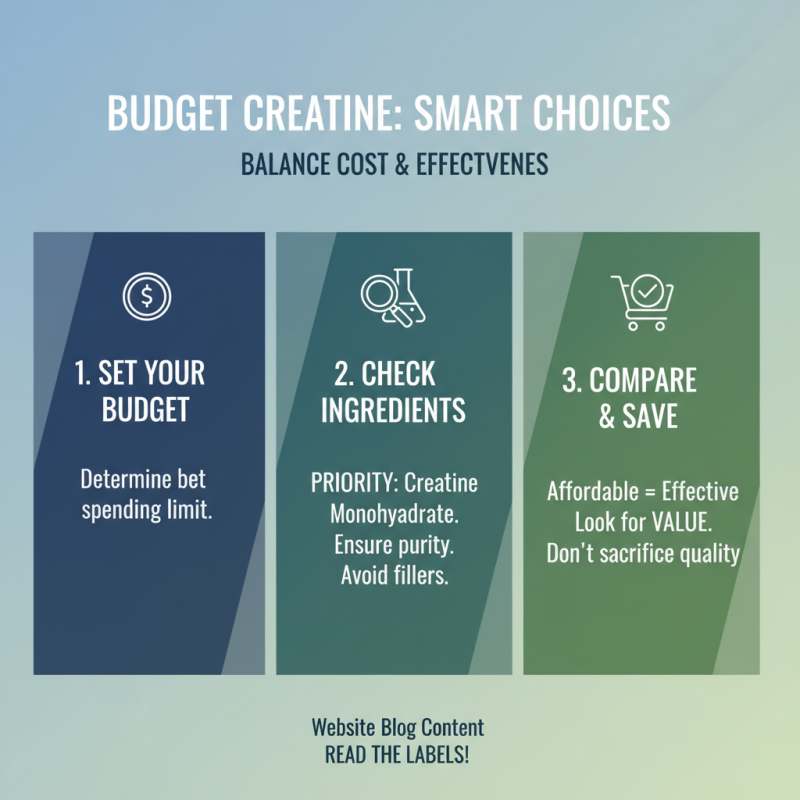
When considering a creatine powder, budget is often a primary concern. High-quality options vary in price, making it essential to balance cost and effectiveness. Look for creatine varieties that fit your budget without sacrificing purity. Many affordable options still offer the required dosage of creatine monohydrate, the most studied form. Checking ingredient labels is crucial to ensure you're getting what you pay for.
Quality doesn’t always come with a high price tag. Some reputable brands provide cost-effective alternatives. Read reviews and consider user feedback before making a decision. Don’t overlook smaller companies; they can offer competitive products at lower prices. A little research can uncover gems that deliver excellent value.
Reflect on your own fitness needs. Are you training intensively or casually? Your level of activity should influence your purchase. Sometimes, spending a bit more on a proven product can save you in the long run. Weighing benefits versus costs is key. Trust your instincts but remain open to new findings. Balancing budget and effectiveness is vital for choosing the right creatine powder.
FAQS
: Creatine is a compound in muscles that helps produce energy during high-intensity exercise.
It converts into ATP, providing quick energy for better performance in workouts.
Look for purity and formulation. Some products may have fillers that reduce effectiveness.
Effects depend on personal body responses. Some may see significant gains, while others may have minimal changes.
Creatine monohydrate is the most studied. It has shown effectiveness in enhancing strength and muscle mass.
Yes, some forms like Creatine HCL are more soluble but have less research on long-term effects.
Some users report bloating with certain types, but experiences differ. It’s essential to monitor individual reactions.
Experiment with dosages and types. Personalized adjustments may lead to better results for your workouts.
If results are minimal, reflect on your body’s response. It might be necessary to try different dosages or types.
Higher intensity workouts could maximize creatine benefits. Consider your exercise habits when choosing a type.
Conclusion
When choosing the best Creatine Powder for your needs, it's essential to understand what creatine is and how it enhances athletic performance by aiding in energy production. There are various types of creatine available, each catering to different goals, so selecting the right one is crucial. Evaluating the purity and quality of the creatine is another vital step; look for products that have been tested for contaminants and have high-grade ingredients.
Additionally, knowing the appropriate dosage and timing can maximize the benefits of creatine supplementation. Be aware of potential side effects and how to read product labels to interpret ingredients and nutritional information accurately. Lastly, consider your budget when selecting a creatine powder, as there are cost-effective options without compromising quality. By keeping these factors in mind, you can make an informed choice that meets your fitness goals.