In the buzzing world of health and wellness, private label supplementshave really started to catch on. I came across a report from Grand View Research that said the global dietary supplement market was worth around $140.3 billion back in 2020, and it’s projected to keep growing at about 8.6% each year from 2021 to 2028. That trend just shows how people are increasingly looking for personalized nutrition options that fit their lifestyle.
Getting into the private label supplement game can be pretty exciting for businesses because it means you can create products that truly stand out. Take tomato supplements, for example—they’ve been getting a lot of buzz lately because of their antioxidant perks and overall health benefits. It’s like jumping on a hot trend to boost your product lineup. But here’s the thing: success really depends on quality and trust. You’ve gotta be careful about where and how you source your ingredients and how you manufacture everything—you don’t want any shady practices slipping in.
Trust is everything in this business. Folks want to feel confident that the supplements they’re buying are safe and actually do what they say. So, by focusing on quality and building strong, reliable partnerships, companies can better navigate all these challenges. Sure, the road might have a few bumps—no business is perfect—but it’s all about establishing credibility and giving health-conscious consumers what they want. That’s what really makes a difference in the long run.

Best Private Label Supplements: An Overview of Industry Growth
The private label supplement industry is experiencing remarkable growth. With increasing consumer interest in health and wellness, businesses are exploring versatile options. Coenzyme Supplements, for instance, have gained traction for their potential health benefits. Many companies leverage this trend to expand their product lines and meet customer demands.
When considering private label options, it’s essential to understand your target market. What are their needs? Gauging consumer preferences can drive your product choices. Choose suppliers with a reliable reputation, ensuring they adhere to industry standards. This diligence can help you avoid potential pitfalls.
Tips: Always conduct thorough research. Analyze current market trends to stay relevant. Engage with industry experts to gain insights. Quality is non-negotiable. Even when profit motives drive business, neglecting product safety and efficacy will harm your brand in the long run. Prioritize quality over quick sales, even if it takes longer to establish your products.
Key Factors Driving Demand for Private Label Supplements
The demand for private label supplements is increasing rapidly. This rise can be attributed to various factors. Consumers are increasingly seeking personalized health solutions. They want products that cater to their specific dietary needs. Private label supplements offer that customization. Brands can create unique formulations that stand out in a crowded market.
Another key factor is the growing awareness of health and wellness. More people are embracing healthier lifestyles. This shift often drives them towards supplements that align with their health goals. Additionally, the trend toward e-commerce further boosts demand. Online shopping makes it easier for consumers to access a variety of supplements. However, businesses must ensure product quality to maintain customer trust.
Market competition is another driving force. Companies want to differentiate their offerings. Creating private label supplements allows for greater control over branding and ingredients. Yet, companies should reflect on sourcing practices and transparency. Customers value reliability and authenticity in their products. Balancing cost and quality can be challenging, but it is essential for long-term success.
Top Categories of Private Label Supplements in 2023
Private label supplements are a growing trend for businesses in 2023. Companies can customize products according to their branding and target audience. The top categories include vitamins, protein powders, and herbal extracts. Each category serves a unique market need.
Vitamins continue to be popular. They cater to health-conscious consumers. Protein powders support fitness enthusiasts and athletes. Herbal extracts draw in those seeking natural remedies. These categories offer versatility and appeal.
Tips: Focus on quality ingredients. Always check for certifications. Transparency builds trust. Customer reviews can guide your choices. Stay updated on market trends to ensure relevance. Select products that meet your consumers' needs.
How to Choose the Right Manufacturer for Your Private Label Supplements
Choosing the right manufacturer for your private label supplements involves several important factors. First, assess the manufacturer’s expertise in producing Organic Powder Supplements. A reliable supplier should offer a range of certified organic products. Research reports indicate that organic supplement sales grew by 20% last year. This trend underscores the demand for quality and certified formulations.
Look for manufacturers that align with industry standards. Check for certifications like FDA approval or GMP compliance. These certifications ensure product safety and quality. Additionally, ask about their sourcing and ingredient transparency. Manufacturers should provide details about ingredient origins. This helps validate the quality of your products.
Tips: Always request samples before committing. This allows you to evaluate taste and effectiveness. Consider their minimum order quantities to avoid excess stock. Finally, communicate openly with potential manufacturers. Building a solid relationship can help address any concerns early on. Remember, your choice can significantly impact your brand reputation in this growing market.
Quality Assurance and Compliance in Private Label Supplement Manufacturing
When considering private label supplements, quality assurance is essential. Understanding compliance in the manufacturing process can set your business apart. It's vital to collaborate with manufacturers who follow Good Manufacturing Practices (GMP). This ensures that every batch of products meets the highest standards.
Tips to maintain quality:
- Regularly audit your supplier's processes.
- Require transparency in sourcing raw materials.
- Don't hesitate to ask about third-party testing.
In the realm of Vitamin Supplements Powder, quality control is critical. Ensure that all ingredients are tested for potency and purity. Questions about ingredient origins should always be welcomed. Strive to develop a relationship with your manufacturer. Building trust is necessary for consistent quality. Reflect on your supplier’s track record and certifications regularly. This approach can enhance your brand's credibility in the market.
Quality Assurance in Private Label Supplement Manufacturing
This chart displays the quality assurance metrics in private label supplement manufacturing, highlighting the percentage of compliance in various key areas.
Marketing Strategies for Successful Private Label Supplement Brands
Marketing strategies are crucial for building a successful private label supplement brand. Understanding your target audience is the first step. Conduct thorough market research. Identify what consumers want and need. This knowledge allows you to tailor your product offerings. Focus on the benefits your supplements provide. Use clear and convincing language in your marketing material.
Tips: Utilize social media platforms to engage with your audience. Share educational content and wellness tips. Hosting live Q&A sessions can build trust. Create a community around your brand. This engagement will foster loyalty and repeat business.
Branding is essential for differentiation in a crowded market. Ensure your packaging stands out while conveying your brand's message. Simple yet effective designs are often more memorable. Highlight unique ingredients and their benefits. Authentic transparency in your messaging can enhance your authority.
Tips: Collaborate with health experts or influencers. Their endorsement can lend credibility to your products. Track customer feedback and adapt your approach accordingly. Continuous improvement is vital for long-term success. Remember, even the best strategies may need adjustments based on real-world responses.
Consumer Trends Influencing the Private Label Supplement Market
In recent years, the private label supplement market has experienced significant growth driven by evolving consumer trends. According to a report from Market Research Future, the global private label dietary supplements market is projected to reach USD 76.5 billion by 2025. Consumers increasingly seek personalized health solutions, leading to a demand for unique products that cater to specific needs and preferences.
Health-conscious consumers are more informed than ever. A survey by the International Food Information Council revealed that 77% of consumers read labels carefully when selecting supplements. They prioritize quality and transparency, influencing retailers to offer high-quality private label options. This trend is evident as 82% of shoppers expressed willingness to choose store brands over national brands if they offer similar quality. This shift suggests an opportunity for businesses to tap into this demand for private label offerings.
Moreover, the rise of e-commerce has enabled easier access to diverse supplement options. A report from Statista indicated that online sales in the health supplement industry are anticipated to surpass USD 14 billion by 2024. Consumers value convenience and expansive choices, impacting purchasing decisions. However, businesses must remain vigilant. The rapid growth of private label supplements increases competition. Companies must ensure product differentiation and compliance with regulations to build trust and loyalty among consumers.
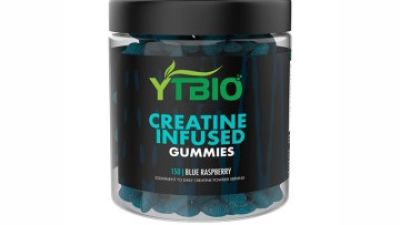
Unlock Your Fitness Potential with Creatine Monohydrate Gummies: The Ultimate Muscle Support Supplement
Unlocking your fitness potential is a journey that requires the right support, and nothing quite matches the benefits of creatine monohydrate when it comes to muscle enhancement. Creatine monohydrate gummies have surged in popularity, offering a convenient and tasty alternative to traditional powders. According to industry reports, over 80% of athletes and active individuals find gummy supplements more appealing due to their ease of use and palatability, making them a preferred choice for those seeking to enhance their workout performance.
These gummies not only support muscle strength and endurance but also help in faster recovery post-exercise. A study published in the Journal of Strength and Conditioning Research indicated that participants who consumed creatine regularly experienced up to a 15% increase in muscle mass compared to those who did not. With customizable options available for labeling, ingredients, and packaging, these gummies can be tailored to meet specific dietary needs and preferences, allowing consumers to choose exactly what they are putting into their bodies.
In terms of logistics, creatine monohydrate gummies are readily available and can be shipped through various reliable methods like DHL, FedEx, and air freight, ensuring that they are accessible for everyone wanting to achieve their fitness goals. This accessibility, combined with the numerous benefits of creatine supplementation, positions these gummies as an essential component of any fitness regime aimed at unlocking optimal muscle support and performance.
FAQS
: Quality assurance ensures each product batch meets high standards and builds brand credibility.
Manufacturers must adhere to Good Manufacturing Practices (GMP) and be transparent about processes.
Regular audits of supplier processes and inquiries about raw material sourcing can help maintain quality.
Understand your target audience and tailor your offerings based on their needs and preferences.
Use memorable designs, highlight unique ingredients, and maintain authentic transparency in messaging.
Increasing demand for personalized health solutions and a focus on quality and transparency are key trends.
Tracking customer feedback is vital for continuous improvement and adapting marketing strategies.
E-commerce provides easier access to diverse supplement options, influencing purchasing decisions.
A strong relationship fosters trust, which is essential for consistent quality and product integrity.
Increased competition and the need for product differentiation demand careful planning and compliance.
Conclusion
The private label supplements market has experienced significant growth, fueled by rising consumer demand for personalized health products. Key factors driving this trend include increasing health awareness, the rise of e-commerce, and a shift towards more affordable options compared to branded products. In 2023, popular categories of private label supplements include vitamins, minerals, and protein powders, reflecting consumer preferences for wellness and fitness.
Choosing the right manufacturer is crucial for businesses looking to enter the private label supplements sector. Factors like quality assurance, compliance with regulations, and effective marketing strategies play important roles in establishing a successful private label brand. Understanding consumer trends, such as the demand for organic and clean-label products, can further enhance market appeal. By aligning product offerings with these trends, businesses can effectively tap into the growing private label supplements market.
We provide comprehensive OEM/ODM solutions, ranging from formula development to finished product manufacturing.
Get a quick quote:
Telephone:+8617782577059
Email:sales@sxytbio.com